
How to Perform an HVAC Inspection: A Step-by-Step Guide for Homeowners
- March 30, 2026
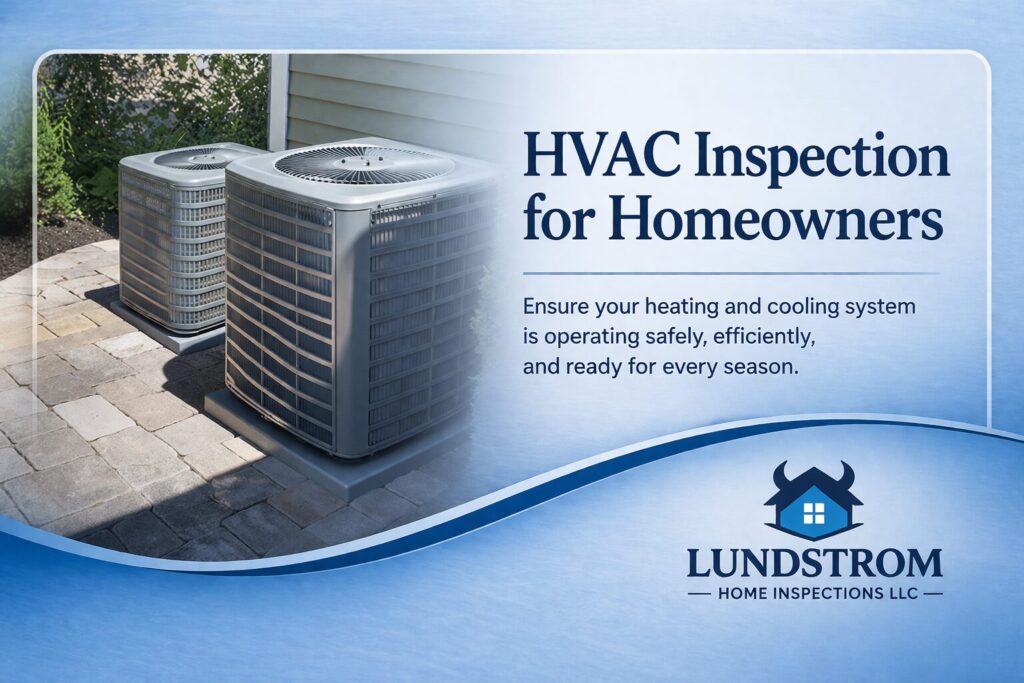
Performing an HVAC inspection involves evaluating the condition, operation, and safety of a home’s heating, ventilation, and air conditioning system. This includes checking the thermostat, inspecting visible components, testing system performance, and identifying signs of wear, inefficiency, or potential failure.
A thorough HVAC inspection helps ensure the system is operating safely, maintaining indoor comfort, and not at risk of costly breakdowns—especially important during real estate transactions or seasonal maintenance.
Why HVAC Inspections Matter
An HVAC system is one of the most expensive and essential components of a home. It directly affects:
- indoor comfort
- energy efficiency
- air quality
- safety
Even minor issues—like restricted airflow or worn components—can lead to higher energy bills or system failure if left unaddressed.
Professional inspectors, such as those at Lundstrom Home Inspections, evaluate HVAC systems as part of a comprehensive home inspection, helping homeowners and buyers understand system condition and anticipate future maintenance needs.
Prepare Your HVAC System Before Spring
As temperatures rise, your HVAC system will be working harder. An inspection now can help identify airflow issues, efficiency problems, and early signs of wear—before they turn into costly repairs during peak season.
What an HVAC Inspection Includes
A standard HVAC inspection focuses on visible and accessible components of the system. The goal is not to dismantle the system, but to assess its overall performance and condition.
Key areas typically include:
- thermostat operation
- air filters and airflow
- furnace or air handler condition
- outdoor condenser unit
- ductwork (where visible)
- system startup and shutdown cycles
Step-by-Step: How to Perform an HVAC Inspection
1. Check the Thermostat
Start with the control center of the system.
- Set the thermostat to heating or cooling mode
- Adjust the temperature and observe system response
- Confirm the system turns on and off properly
If the system does not respond, it may indicate electrical or control issues.
2. Inspect Air Filters
Air filters play a critical role in airflow and system efficiency.
- Remove and examine the filter
- Look for dirt, dust buildup, or blockage
- Replace if visibly dirty
A clogged filter restricts airflow, forcing the system to work harder and increasing wear.
3. Examine the Furnace or Air Handler
Inspect the main indoor unit for visible issues.
Look for:
- rust or corrosion
- loose or disconnected components
- unusual noises during operation
- signs of overheating or wear
Ensure panels are properly secured and no exposed wiring is visible.
4. Inspect the Outdoor Condenser Unit
The outdoor unit is essential for cooling performance.
Check for:
- debris around the unit (leaves, dirt, vegetation)
- bent or damaged fins
- proper clearance (at least 2–3 feet around the unit)
- unusual sounds when running
Restricted airflow around the condenser can reduce efficiency and strain the system.
5. Evaluate Airflow and Vents
Walk through the home while the system is running.
- check airflow at supply vents
- ensure return vents are not blocked
- note uneven temperatures between rooms
Weak airflow may indicate duct issues, blockages, or system inefficiency.
6. Test System Performance
Let the system run for several minutes.
Observe:
- how quickly it reaches the set temperature
- whether it cycles on and off normally
- any unusual smells or noises
In cooling mode, the air should feel consistently cool. In heating mode, it should feel warm without delay.
7. Inspect Visible Ductwork
Where accessible (attic, basement, or garage):
- look for disconnected or damaged ducts
- check for air leaks at joints
- note poor insulation
Leaky ducts can significantly reduce system efficiency and increase energy costs.
Common Issues Found During HVAC Inspections
An HVAC inspection often reveals issues that are not immediately obvious.
These may include:
- dirty or clogged filters
- worn blower components
- refrigerant concerns (indirect signs)
- poor airflow due to duct problems
- aging systems nearing end of service life
Catching these early can prevent more expensive repairs later.
Safety Considerations
HVAC systems involve electrical components, moving parts, and in some cases, gas connections.
Be cautious of:
- exposed wiring
- gas odors
- unusual burning smells
- system overheating
If any of these are present, further evaluation by a licensed HVAC technician is recommended.
When to Schedule a Professional HVAC Inspection
While a basic inspection can be done by homeowners, a professional inspection is recommended when:
- purchasing a home
- preparing to sell a home
- the system is over 10–15 years old
- energy bills increase unexpectedly
- comfort issues arise
A certified inspector provides a more complete evaluation and documentation of the system’s condition.
Expert Tips for Homeowners
- Replace air filters regularly (every 1–3 months)
- Keep outdoor units clear of debris
- Schedule seasonal maintenance (spring and fall)
- Monitor unusual sounds or performance changes
- Do not ignore small issues—they often grow over time
For deeper guidance on system care, resources like the U.S. Department of Energy provide helpful information on maintaining energy-efficient HVAC systems. You can also review homeowner maintenance recommendations from the ENERGY STAR program, which outlines practical steps to improve system performance and reduce energy use.
Final Thoughts
An HVAC inspection is a practical way to understand the condition and performance of one of the most important systems in your home. By checking key components, monitoring system behavior, and identifying early warning signs, homeowners can maintain comfort, improve efficiency, and avoid unexpected breakdowns.
Whether you are maintaining your current home or evaluating a property before purchase, taking the time to inspect the HVAC system is a smart and valuable step.
Schedule a Professional HVAC Inspection
If you want a complete evaluation of your HVAC system, a professional inspection provides more than just a surface check.
At Lundstrom Home Inspections, we evaluate HVAC systems as part of a detailed home inspection process, helping homeowners and buyers understand system condition, performance, and potential concerns.
Contact Lundstrom Home Inspections today to schedule your inspection and ensure your home’s HVAC system is operating safely and efficiently.