
Buying a Home in North Port, FL: Inspections You Should Never Skip
- January 29, 2026
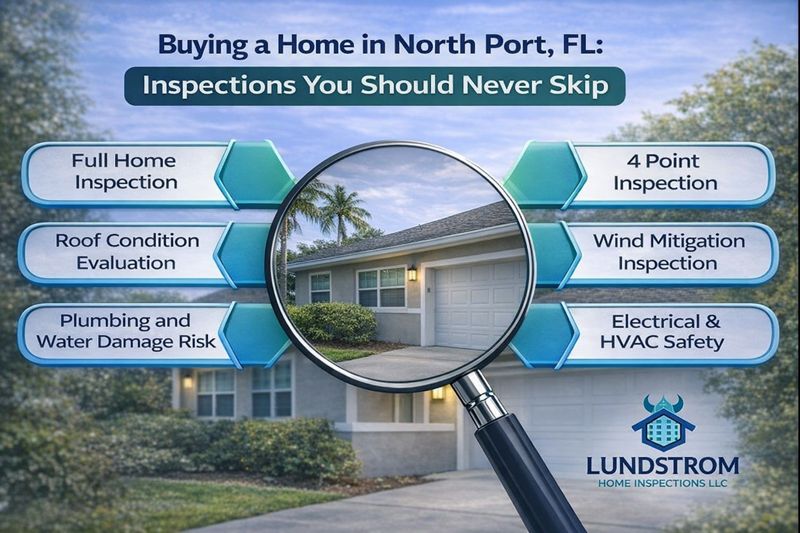
Buying a home in North Port is an exciting milestone, but it is also one of the largest financial decisions most people will ever make. Beyond location, layout, and curb appeal, a home’s condition—and how that condition is documented—can have lasting consequences for insurance approval, repair costs, and long-term ownership.
North Port’s housing market includes everything from newer developments to homes built decades ago. That variety makes inspections especially important. Some inspections are optional depending on the property, but others should never be skipped if buyers want clarity, protection, and fewer surprises after closing.
This guide explains which inspections matter most when buying a home in North Port, why they matter, and how they fit into today’s insurance and underwriting environment.
Why Inspections Matter More Than Ever in North Port
North Port has grown rapidly, but much of its housing stock was built during periods when construction practices, materials, and documentation standards differed from what insurers and buyers expect today.
In Florida’s current insurance climate, inspections are no longer viewed only as buyer safeguards. They influence:
- Insurance eligibility and approval
- Policy pricing and renewal decisions
- Repair negotiations before closing
- Future maintenance planning and budgeting
Homes that appear functional during a showing may still raise concerns once inspected and documented. Skipping inspections—or delaying them until late in the process—often leads to time pressure, repair demands, or insurance complications after ownership transfers.
Avoid Costly Surprises When Buying in North Port
Professional inspections help uncover issues early so buyers can make informed decisions with confidence.
Full Home Inspection: The Foundation for Every Buyer
A full home inspection is the starting point for nearly every purchase, regardless of a home’s age. This inspection provides a broad evaluation of the home’s visible condition at the time of inspection, including:
- Roof and exterior components
- Structure and foundation
- Electrical, plumbing, and HVAC systems
- Interior components and safety features
For buyers, this inspection answers a fundamental question: What condition is the home actually in today? It helps identify defects, deferred maintenance, and safety concerns that are not obvious during walkthroughs or open houses.
Even newer homes benefit from a full inspection. Construction defects, drainage issues, incomplete installations, and workmanship
How Inspections Affect Insurance Approval After Closing
Many buyers assume inspections end once the purchase is complete. In Florida, that is often not the case.
Insurance companies frequently review inspection information after a policy is issued. If documentation is missing, unclear, or outdated, insurers may request additional inspections, repairs, or verification.
Common post-closing issues include:
- Insurance companies requesting a 4 point inspection after binding
- Roof condition concerns raised during underwriting review
- Follow-up inspections required to verify repairs
Completing the right inspections before closing gives buyers time to address issues calmly rather than under pressure once they already own the home.
4 Point Inspection: Often Required for Insurance
A 4 point inspection focuses on four systems that insurers consider the highest risk:
- Roof
- Electrical
- Plumbing
- HVAC
This inspection is commonly required for older homes and is used to assess baseline insurability. It is not a full home inspection and does not evaluate cosmetic issues or overall workmanship.
For buyers, the value of a 4 point inspection is understanding whether insurance coverage may require repairs, documentation, or follow-up before or shortly after closing. Addressing these items early prevents delays and unexpected repair demands.
Wind Mitigation Inspection: Important for Risk and Discounts
A wind mitigation inspection documents features designed to reduce wind damage, such as:
- Roof-to-wall connections
- Roof covering and shape
- Opening protections
- Secondary water resistance
In North Port, wind mitigation inspections are commonly used to determine insurance discounts, but they also help insurers evaluate how a home may perform during severe weather.
Buyers benefit by understanding both potential savings and the home’s exposure to storm-related risk.
Roof Condition Evaluation: One of the Most Critical Factors
Roof condition remains one of the most influential factors in insurance decisions. Even when a roof is not actively leaking, its age, material, and observable condition matter.
A roof evaluation helps buyers understand:
- Remaining service life expectations
- Visible wear, deterioration, or patching
- Whether repairs or replacement may be required sooner than expected
Roof-related issues are among the most common reasons buyers face insurance challenges after closing.
North Port Housing Stock: Why Age Matters
often contain systems or materials that insurers evaluate more closely.
Age-related considerations include:
- Original roofs approaching the end of expected service life
- Electrical or plumbing systems installed under older standards
- Limited documentation for past repairs or updates
Understanding how age affects inspection findings helps buyers set realistic expectations and plan accordingly.North Port includes homes built across multiple decades. Older homes may still be structurally sound but
New Construction Homes Still Need Inspections
Some buyers assume new construction does not require inspection. In reality, inspections remain important even for newly built homes.
Common issues found in new construction include:
- Drainage and grading problems
- Roof installation details
- Incomplete or rushed finish work
- Mechanical system setup issues
Builder warranties do not replace independent inspections. Inspections provide documentation and clarity before warranty periods begin.
Inspection Timing: When Buyers Should Schedule Each One
Timing matters. Scheduling inspections early gives buyers options.
General timing guidance includes:
- Full home inspection during the inspection contingency period
- Insurance-related inspections before final insurance shopping
- Wind mitigation inspections before binding coverage
Early inspections reduce pressure and allow time for informed decisions.
Additional Inspections Buyers Should Consider
Depending on the property, buyers may also consider:
- Mold inspections when moisture concerns are present
- Pool and spa inspections for safety and equipment condition
- Sewer or plumbing evaluations for older systems
Not every home needs every inspection, but understanding the options helps buyers tailor their approach.
What Happens When Inspections Are Skipped
Skipping inspections often leads to:
- Unexpected repair costs after closing
- Insurance delays or denials
- Limited negotiating power
- Stressful follow-up inspections under time constraints
Many insurance-related issues originate from conditions that could have been identified earlier.
Inspections vs. Appraisals vs. Insurance Reviews
These processes serve different purposes:
- Appraisals estimate value, not condition
- Insurance reviews assess risk, not livability
- Inspections document condition and safety
Only inspections provide detailed, system-level documentation buyers and insurers rely on.
Final Thoughts
Buying a home in North Port involves more than choosing the right neighborhood or floor plan. Inspections provide clarity, reduce uncertainty, and help buyers navigate insurance requirements with fewer surprises.
Approaching inspections as tools—not obstacles—allows buyers to understand risk, plan for repairs, and move forward with confidence.
If you’re buying a home in North Port and want clear, professional insight into a property’s condition, working with an experienced, InterNACHI Certified home inspector helps ensure inspections are performed accurately and documented clearly. Book a Home Inspection in North Port!