
Buying an Older Home in Florida: Which Inspections Matter Most for Insurance and Risk
- January 18, 2026
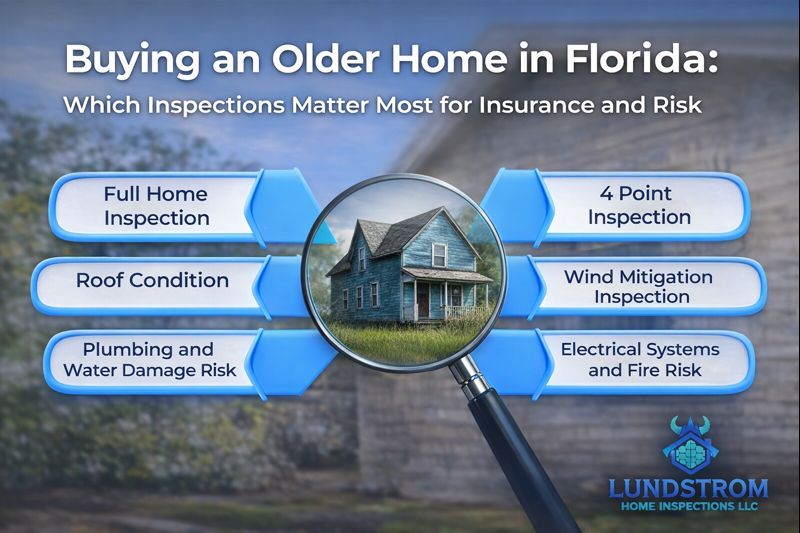
Buying an older home in Florida can be rewarding, but it also comes with unique insurance and risk considerations that many buyers do not fully understand until late in the transaction. Homes built decades ago often contain systems, materials, and construction methods that insurers now evaluate more closely than they did in the past.
One of the most common mistakes buyers make is assuming that a standard home inspection alone will satisfy insurance requirements. In reality, Florida insurers frequently require specific inspections, each serving a different purpose. Knowing which inspections matter—and why—can prevent coverage delays, unexpected repair demands, or policy denials after closing.
This article explains which inspections are most important when buying an older Florida home, how insurers use them, and how buyers can approach the process with realistic expectations.
Why Insurance Matters So Much When Buying an Older Florida Home
Florida’s insurance market is different from most other states. Insurers operate under higher exposure due to hurricanes, wind events, water damage claims, and aging housing stock. As a result, underwriting standards have tightened significantly in recent years.
For older homes, insurance companies are less concerned with cosmetic condition and more focused on system reliability and failure risk. Their goal is not to assess market value—it is to determine whether the home presents an acceptable risk to insure.
Because of this, insurance-related inspections often influence:
Whether coverage is issued at all
Whether repairs are required before closing
Whether a policy is renewed after the first term
Understanding these inspections early helps buyers avoid last-minute complications.
Buy an Older Florida Home With Confidence—Before Insurance Becomes a Problem
Insurance-focused inspections that reduce delays, prevent coverage problems, and clarify what Florida insurers require.
The Role of a Full Home Inspection (Foundation, Not Final Answer)
A full home inspection provides the broadest evaluation of an older home’s condition. It reviews visible structural components, major systems, safety concerns, and signs of damage or deferred maintenance.
From an insurance perspective, however, a general home inspection:
• Is not designed for underwriting decisions
• Does not replace insurance-specific inspections
• Often lacks the documentation insurers require
Buyers should think of the full home inspection as a decision-making foundation. It informs negotiations and repair planning, but it rarely satisfies insurance requirements on its own.
4 Point Inspection: Often the First Insurance Requirement
For older Florida homes, the 4 point inspection is frequently required by insurance companies before issuing or transferring coverage.
This inspection focuses only on four systems:
Roof
Electrical
Plumbing
HVAC
Insurers use the 4 point inspection to evaluate condition, safety, and remaining service life, not whether systems are modern or code-compliant.
Common issues that affect insurance decisions include:
Roofs nearing the end of expected service life
Electrical panels or wiring methods considered high-risk
Aging or mixed plumbing materials
HVAC systems far beyond typical lifespan
A home can function normally and still raise insurance concerns if these systems appear likely to fail.
Wind Mitigation Inspection: Critical for Insurance Pricing
While the 4 point inspection focuses on insurability, the wind mitigation inspection focuses on risk reduction and potential premium credits.
This inspection documents features such as:
Roof shape
Roof covering attachment methods
Roof-to-wall connections
Opening protection (windows, doors, garage doors)
For older homes, wind mitigation inspections often reveal:
Partial compliance with newer standards
Features that qualify for some, but not all, discounts
Areas where documentation is missing
Insurance companies rely on this inspection to apply—or deny—wind mitigation credits. Without proper documentation, discounts are often not applied, even if features exist.
Roof Condition and Age Documentation
Roofing is one of the most influential factors in Florida insurance underwriting. For older homes, roof age often matters as much as roof condition.
Insurers generally want:
• Clear documentation of roof age
• Evidence of remaining service life
• No signs of active leaks or deterioration
Buyers frequently discover that:
• Insurance roof requirements differ from lender requirements
• Functional roofs may still be unacceptable to insurers
• Verbal assurances are insufficient—written documentation is required
Roof age, permits, invoices, and inspection photos often determine whether coverage is approved.
Plumbing and Water Damage Risk
Water damage claims are a major concern for Florida insurers, especially in older homes with original or partially updated plumbing systems.
Inspections often focus on:
Type of supply piping materials
Signs of corrosion or deterioration
Water heater age and installation
Evidence of prior or ongoing leaks
Even when no active leaks are present, insurers may flag systems based on failure probability, not just current performance.
Electrical Systems and Fire Risk
Electrical systems in older Florida homes are another common insurance concern. Over time, certain components and wiring methods have developed documented risk profiles that insurers now scrutinize closely.
Insurance-related inspections look for:
Panel safety and condition
Proper grounding and bonding
Signs of overheating or unsafe modifications
Clear photographic documentation
Functionality alone is not enough. Insurers assess risk, not convenience.
When Additional Inspections May Be Appropriate
Depending on the home and insurer, buyers of older homes may also consider:
Reinspections after repairs
Targeted evaluations for moisture intrusion or structural concerns
These inspections are not always required, but they can provide clarity when insurance approval depends on specific conditions being addressed.
How Buyers Can Approach Inspections Strategically
A practical inspection strategy for older Florida homes includes:
• Scheduling a full home inspection early
• Anticipating insurance-driven inspection requirements
• Collecting documentation for prior updates or replacements
• Allowing time for follow-up inspections if repairs are needed
Addressing insurance requirements late in the transaction often leads to rushed decisions, limited insurer options, and increased costs.
Final Thoughts
Buying an older home in Florida requires balancing character and location with modern insurance realities. Inspections play a central role—not only in understanding a home’s condition, but also in determining whether the property can be insured under current underwriting standards.
The most successful transactions are those where buyers understand which inspections matter, why insurers rely on them, and how accurate documentation influences coverage decisions. When inspections are approached with realistic expectations and professional insight, they become tools for clarity rather than obstacles during the buying process.
If you’re preparing to purchase an older Florida home or need a clearer understanding of how insurance-related inspections apply to your situation, scheduling a professional inspection can provide valuable insight before critical decisions are made.
Working with an experienced Florida home inspector helps ensure you move forward with confidence, clear information, and fewer last-minute surprises.