
The Complete Home Inspection Guide: What Inspectors Look For, Costs, Timing, and What Happens Next
- December 24, 2025
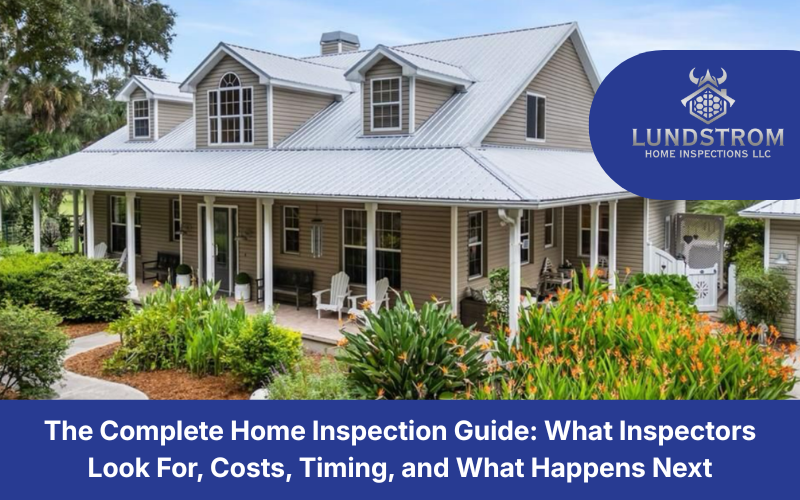
A home inspection is one of the few moments in a real estate transaction when the condition of a property is examined as a whole. It connects what is visible inside the home with what is happening in the roof system, the attic, the structure, and the major mechanical components.
In Florida and across the United States, inspections are designed to identify material defects, safety concerns, and performance issues that may not be obvious during a showing.
While inspection standards vary slightly by region, the fundamentals are consistent. A home inspection evaluates how a house functions as a system—how water is managed, how loads are supported, how electricity and plumbing are distributed, and how the structure responds to climate.
Understanding what inspectors look for, how long the process takes, what it costs, and what happens after the inspection helps buyers, sellers, and homeowners make informed decisions without unnecessary stress.
This guide explains what a home inspection is, what it includes, how inspections are conducted in Florida, and how the findings are typically used. The goal is clarity, not alarm.
What Is a Home Inspection?
A home inspection is a visual, non-invasive evaluation of a residential property performed by a licensed or certified home inspector.
The inspection focuses on the condition and performance of the home’s major systems and components at the time of the inspection.
In Florida, home inspectors are licensed by the state and follow defined standards of practice. These standards outline what must be inspected, what is excluded, and how findings are reported.
Similar standards exist across most US states and many international markets, making the inspection process broadly comparable worldwide.
A home inspection is not a code compliance inspection, a guarantee of future performance, or a warranty. It is a snapshot of current conditions, based on visible and accessible areas.
Protect Your Biggest Investment From Foundation to Roof—We Check It All
Professional home inspections that save buyers thousands by spotting issues early. Detailed photos, easy-to-read reports, trusted advice.
How a Home Inspection Works
A home inspection follows a structured process that moves from the exterior inward and from top to bottom. Inspectors observe conditions, test basic functions where possible, and document findings with written notes and photographs.
The inspection typically includes:
- Exterior components such as the roof covering, walls, windows, doors, and drainage
- Structural elements visible in crawl spaces, basements, or attics
- Electrical, plumbing, and HVAC systems
- Interior surfaces, ceilings, floors, and built-in components
- Attic insulation, ventilation, and signs of moisture intrusion
In Florida, inspectors pay particular attention to moisture management, roof condition, and structural connections due to the state’s climate and weather exposure. However, these concerns are relevant in many regions with heat, humidity, or severe weather.
What Inspectors Look For During a Home Inspection
Inspectors are not looking for perfection. They are looking for conditions that affect safety, function, or longevity. A home inspection focuses on visible and accessible components at the time of the inspection.
Structural Components
Inspectors evaluate visible structural elements such as foundations, floor framing, wall framing, and roof framing. They look for signs of movement, cracking, deterioration, or improper alterations.
Roof System
The roof is examined for material condition, drainage, flashing integrity, and visible signs of leakage. In Florida, roof age, installation quality, and storm resistance are especially important due to insurance requirements and exposure to severe weather.
Electrical System
Inspectors identify outdated or unsafe wiring methods, improper connections, missing protective devices, and visible deficiencies at the service equipment and distribution panels
Plumbing System
Water supply lines, drain and waste piping, fixtures, and water heaters are evaluated for leaks, material compatibility, water pressure issues, and basic functional concerns.
HVAC System
Heating and cooling systems are inspected for basic operation, visible defects, improper installation, condensate drainage issues, and signs of inadequate maintenance.
Exterior and Site Conditions
Inspectors evaluate exterior walls, doors, windows, grading, and drainage patterns to identify conditions that could contribute to moisture intrusion, structural damage, or safety concerns.
Interior and Attic Areas
Inspectors look for moisture staining, insulation deficiencies, ventilation problems, and conditions that suggest hidden damage in living spaces and attic areas.
The focus is always on how systems interact. A roof issue, for example, often shows up as attic moisture or interior ceiling staining rather than obvious exterior damage.
How Long Does a Home Inspection Take?
Most home inspections take two to four hours, depending on the size, age, and complexity of the property. Larger homes, older homes, or properties with multiple systems often require additional time.
The written inspection report is typically delivered within 24 to 48 hours, though some inspectors provide same-day reports. Timing is similar across most US states and comparable international markets.
How Much Does a Home Inspection Cost?
Home inspection costs vary by region, property size, and inspection scope. In Florida, a standard single-family home inspection commonly ranges from $300 to $600, with larger or more complex homes costing more.
Factors that affect cost include:
- Square footage
- Age of the home
- Accessibility of systems
- Additional services such as wind mitigation or four-point inspections, which are typically priced separately.
While cost is an important consideration, the value of an inspection lies in the clarity it provides. A thorough inspection can help prevent unexpected repair expenses that far exceed the inspection fee.
Who Pays for the Home Inspection?
In most real estate transactions, the buyer pays for the home inspection. This is standard practice in Florida and throughout the United States, as the inspection is performed for the buyer’s benefit.
In some cases, sellers may choose to obtain a pre-listing inspection to identify issues before putting a home on the market. Regardless of who pays, the inspector’s responsibility is to report conditions objectively.
What Happens After the Home Inspection?
After the inspection, the buyer reviews the report and decides how to proceed based on the findings, contract terms, and personal risk tolerance. Common next steps include:
Requesting repairs or credits
Buyers may ask the seller to address certain issues or provide a credit at closing. Requests are typically limited to significant safety, functional, or system-related concerns rather than minor cosmetic items.
Seeking further evaluation by specialists
If the inspection identifies conditions beyond the inspector’s scope—such as structural movement, electrical defects, or HVAC concerns—the buyer may hire licensed specialists or engineers for more detailed evaluation and repair estimates.
Proceeding with the purchase as-is
Some buyers choose to move forward without requesting changes, particularly if the findings are minor or expected for the home’s age. The inspection still provides valuable awareness for future planning and maintenance.
Renegotiating terms
Inspection findings may lead to adjustments in price, repair responsibility, or closing timelines. The goal is to align the purchase terms with the property’s actual condition.
Deciding to walk away from the transaction
In some cases, inspection results reveal risks or costs that exceed a buyer’s comfort level. Inspection contingencies exist to give buyers the option to exit the contract when significant issues are discovered.
Inspectors do not decide outcomes or negotiate on behalf of any party. Their role is to provide clear, accurate, and unbiased information so clients can make informed decisions.
What a Home Inspection Does Not Cover
A home inspection is a visual, non-invasive evaluation of readily accessible systems. Because of that scope, certain things are outside what an inspection can reasonably determine.
Code compliance verification
Inspectors do not determine whether a home meets current building codes. Many homes were built under older codes, and being “out of code” does not automatically mean a condition is unsafe or defective. Inspectors focus on observed conditions and safety concerns, not legal compliance.
Cosmetic concerns unless they indicate deeper issues
Purely cosmetic issues—such as minor cracks in paint, surface scratches, or uneven finishes—are not inspection findings unless they suggest a larger problem. For example, peeling paint may matter if it points to moisture intrusion, but not if it is simply normal wear.
Future performance predictions
Inspectors do not predict how long systems or components will last. A roof, HVAC system, or water heater may be functioning on the day of inspection but still be near the end of its service life. Inspections report current condition and visible signs of wear, not guarantees about future performance.
Hidden conditions behind walls or underground
Home inspections do not involve opening walls, lifting flooring, or excavating soil. Issues hidden behind finished surfaces, underground piping, or concealed structural elements may exist without visible warning signs. Inspectors report what can be seen and accessed at the time of the inspection
Engineering analysis
Inspectors are not performing structural engineering evaluations or design calculations. If significant structural concerns are observed, inspectors may recommend further evaluation by a licensed engineer or specialist, who can provide detailed analysis and repair guidance.
Understanding these limits helps set realistic expectations and avoids confusion between home inspections, appraisals, and insurance evaluations. A home inspection is a risk-identification tool, not a warranty or certification of condition.
Additional Inspections Common in Florida
Due to insurance requirements and climate-related risk factors, Florida homeowners often encounter supplemental inspections, including:
- Four-Point Inspections, which provide limited condition and age information on the roof, electrical, plumbing, and HVAC systems for insurance underwriting purposes
- Wind Mitigation Inspections, used to evaluate building features that may qualify for insurance discounts
- Moisture or mold-related evaluations, which may involve visual assessments or separate testing depending on the service provider
- Roof certifications, typically requested by insurers to document roof condition or remaining useful life
These inspections address specific risk factors but do not replace a comprehensive home inspection, which evaluates the home as an integrated system.
Why Home Inspections Matter Long After Closing
A home inspection is not only a transaction step. Many homeowners use inspection findings to plan maintenance, prioritize upgrades, and monitor system performance over time.
Homes are dynamic systems. Moisture, heat, and wear change conditions gradually. Understanding the baseline condition of a home helps owners recognize changes early, before damage becomes costly.
Final Thoughts
A home inspection brings clarity to an otherwise complex purchase. In Florida and beyond, inspections help bridge the gap between appearance and performance by explaining how a house actually functions.
When homeowners understand what inspectors look for, how inspections are conducted, and how findings are used, the process becomes less intimidating and far more valuable. A well-performed inspection does not predict the future—but it provides the information needed to move forward with confidence.
If you’re preparing to buy, sell, or better understand a home, scheduling a professional inspection with Lundstrom Home Inspection is a practical next step toward clarity and peace of mind.